


The technologies that will change the energy landscape over the next 10 years
The transition to clean energy is no longer a political promise or a theoretical scenario. It is a technological necessity. Over the next decade, photovoltaics and renewable energy sources will evolve into more efficient, smarter and more integrated systems, radically changing the way we produce and consume energy.
Next-generation photovoltaics: much higher efficiency
The biggest change in photovoltaics will come from the cells themselves.
Perovskite & Tandem panels
Today’s silicon panels are approaching their physical efficiency limits. Perovskite technologies and tandem panels (silicon + perovskite) are expected to boost efficiency:
- from ~20–22% today
- to 28–35% over the next decade.
This means:
- more energy in the same area,
- smaller systems for the same output,
- better performance in cloudy conditions and low light.
Building-integrated photovoltaics (BIPV)

Solar panels are no longer “something installed on the building”; they become part of the building.
- solar roof tiles,
- energy-generating facades,
- semi-transparent panels for windows and shading.
Architecture and energy are coming together, especially in new builds and energy-efficiency upgrades.
Energy storage: the real game changer
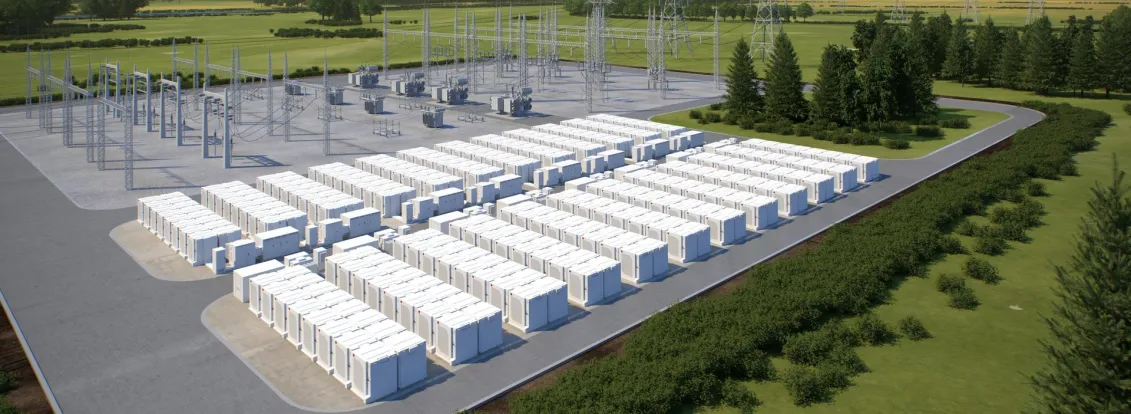
The next decade will be shaped by batteries.
New storage technologies
- Solid-state batteries: greater safety, longer lifespan.
- Sodium-ion batteries: lower cost, less dependence on lithium.
-
Grid-scale storage: large batteries for balancing power grids.
Storage will turn photovoltaics from a complementary solution into a complete energy infrastructure.
Artificial intelligence and smart energy management

Future systems won’t simply produce energy. They will decide when and how to use it.
Using AI:
- forecasting production based on weather & and consumption,
- optimizing battery charging,
- automatically managing loads (heat pumps, EVs, air conditioning).
Consumers will become active energy managers.
Hydrogen and Power-to-X

At a larger scale, photovoltaics will be combined with:
- production of green hydrogen,
- converting energy into fuels, heat or industrial raw materials.
This mainly concerns:
- industry,
- transport,
- long-duration energy storage.
Renewable energy sources as a decentralized system
The future isn’t one giant power plant. It is:
- many small systems,
- local generation,
- energy independence and resilience.
Homes, businesses and communities will operate as small energy hubs, reducing dependence on unstable grids.
What does all this mean in practice
Technology is advancing, but the key The conclusion is simple:
- solar panels are becoming more efficient,
- storage more affordable,
- and management smarter.
Investments made today should take this future direction into account, so that systems are scalable and compatible with developments in the coming years.


